Main Image

We Are All In This Together: Parkinson’s Disease Meta-Analysis Finds Shared Mutations Across Populations

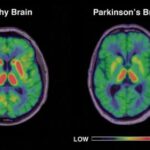
Are we closer to the truth? Parkinson’s disease variability across populations tells us something about its genetic contributors Disclaimer: This web page was produced as an assignment for an undergraduate course at Davidson College. Image courtesy of Marios Politis / AAAS Parkinson’s Disease is the fastest moving neurodegenerative disease that affects 8.5 million people in…
Why Representation Matters: Novel Insight into Systemic Sclerosis

The largest Asian genome-wide association study (GWAS) ever conducted helps us better understand the genetic architecture of systemic sclerosis within and across different populations, highlighting the importance of representation in genomic studies. This web page was produced as an assignment for an undergraduate course at Davidson College. Link to homepage Scleroderma, also known as systemic…

Causes and Control Strategies for Non-Malarial Febrile Illness (NMFI): Understanding and Managing Fever unrelated to Malaria

This web page was produced as an assignment for an undergraduate course at Davidson College. Learn more about the author Non-malarial febrile illness (NMFI), characterized by fever, is frequently attributed to bacteria like Borrelia. Failure to diagnose NMFI in low- and middle-income countries fosters bacterial and pathogenic resistance to medications, exacerbating disease transmission. Non-malarial febrile…

Fur Real: Exploring Mammalian Hairiness and Evolutionary Mysteries

This web page was produced as an assignment for an undergraduate course at Davidson College. Read more about the author here. Researchers find hundreds of genes and non-coding elements that underlie the basis of the evolution of mammalian hairlessness. This research can be used for hair growth therapies in the future and give us further…

Unlocking Nature’s Pharmacy: Genome Sequencing Reveals the Medicinal Secrets of Giloy, the Miracle Climber

“Tinospora cordifolia, commonly known as Giloy, stands as a pivotal medicinal plant boasting a myriad of therapeutic applications, intricately woven with distinct adaptive signatures that underscore its remarkable properties.” This web page was produced as an assignment for an undergraduate course at Davidson College. Tinospora cordifolia, commonly known as Giloy, is a climbing shrub belonging…

Neanderthals, Denisovans, and Homo sapiens cohabited in Europe 45,000 years ago. So, why are we the only remaining ones?

Photo by Tanya Kukarkina on Unsplash This webpage was produced as an assignment for an undergraduate course at Davidson College. About the author: Nicolas Pinzon A genomic and anthropological collaborative study of a cave in Germany shows that Homo sapiens habited northern European lands 45,000 years ago; far before the extinction of Neanderthals. This proves…

Singaporean Genomes Offer Essential Insights for Precision Medicine

Examining the clinical relevance of variants in the genomes of Singaporean individuals from different ancestral groups has increased our understanding of how genetic disease risk is linked to ancestry-specific variation. This web page was produced as an assignment for an undergraduate course at Davidson College. Read more here. Precision medicine is an innovative approach for…

Saving the Kākāpō one Dirt Sample at a Time

How researchers have found a way to monitor the endangered kākāpō species through DNA found in soil.  This webpage was produced as an assignment for an undergraduate course at Davidson College. Read more from this course here. The kākāpō (Strigops habroptilus) is a flightless bird in the parrot family native to New Zealand. Their deep…

Fluttering Genomes: How a Species of Butterfly Changed through Dispersal

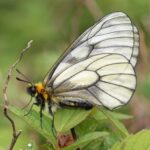
Disclaimer: This web page was produced as an assignment for an undergraduate course at Davidson College. Genome sequencing of Parnassius glacialis reveals broad expansion and selective evolution, with genetic differences between high and low-altitude populations indicating past bottlenecks caused increased adaptation to lower altitudes. As our world undergoes constant change, so too do our ecosystems,…